Behind the Scenes: Trump and Netanyahu Hold ‘Frank and Direct’ Call on Next Steps in Iran War
Between the Brink of Military Action and the Final Diplomatic Window: Washington and Tel Aviv Face Strategic Divergence Ahead of Midterms
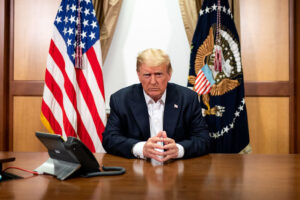
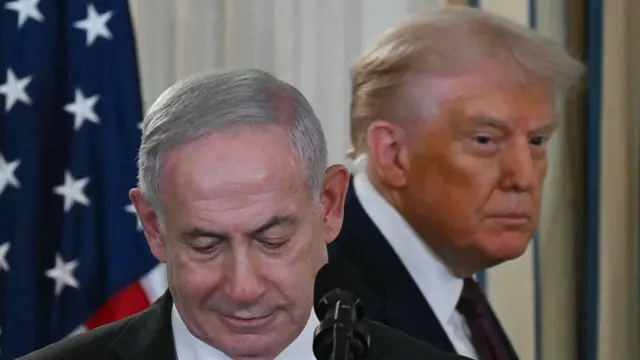
In a high-stakes diplomatic development, U.S. and Israeli officials revealed details of a candid and intense phone call between President Donald Trump and Israeli Prime Minister Benjamin Netanyahu. The discussion centered entirely on evaluating current negotiations with Tehran and the operational timeline for potentially returning to active combat. According to reported sources, a clear strategic divergence emerged: Netanyahu is aggressively lobbying for immediate military strikes against Iran right after Tuesday’s U.S. midterm elections, whereas President Trump prefers to let ongoing diplomatic tracks play out before making a definitive move.
Inside the Call and the U.S. Dual-Track Strategy
While an Israeli official characterized the discussion as “tough,” an American source described it as “direct”. Publicly, President Trump confirmed the call to reporters, labeling it a “very good talk” focused on Iran, though he declined to elaborate on any reported friction.
The friction underlines Washington’s current dual-track approach to the eight-month conflict. While the U.S. has conducted heavy airstrikes that severely impacted Iran’s military and nuclear infrastructure, it is simultaneously keeping a backchannel open to secure a comprehensive deal preventing a nuclear breakout and restoring maritime security in the Strait of Hormuz. Speaking at a rally in Iowa, Trump noted his desire to save lives but left the military option wide open, stating, “at some point we’re going to have to give them the hammer”.
Strategic Dimensions & Analytical Outlook:
Netanyahu’s Domestic Calculus: Netanyahu’s push for rapid military action is heavily influenced by his domestic position. Following a highly inconclusive election in Israel that left his coalition short of a clear parliamentary majority, a decisive security breakthrough against Tehran is seen as pivotal to stabilizing his political standing.
Diverging Military Objectives: Disagreements persist over the scope of potential joint operations. While elements within the political echelon in Jerusalem contemplate broader aims such as regime change, U.S. military planners are firmly focused on specific threat reduction. Washington remains deeply concerned about regional stability, aiming to keep any prospective military intervention strictly time-limited to prevent economic fallout or retaliatory strikes affecting Gulf allies and Red Sea shipping lines.
The Fate of Diplomacy: The heated phone call occurs amidst notable diplomatic friction. Tehran is currently reviewing direct American communications transmitted via regional mediators. Whether Washington pivots toward diplomacy or chooses the military path depends heavily on the geopolitical realities following the high-stakes midterm elections.