Baghdad: Field Security Developments and Accelerating Political Tensions
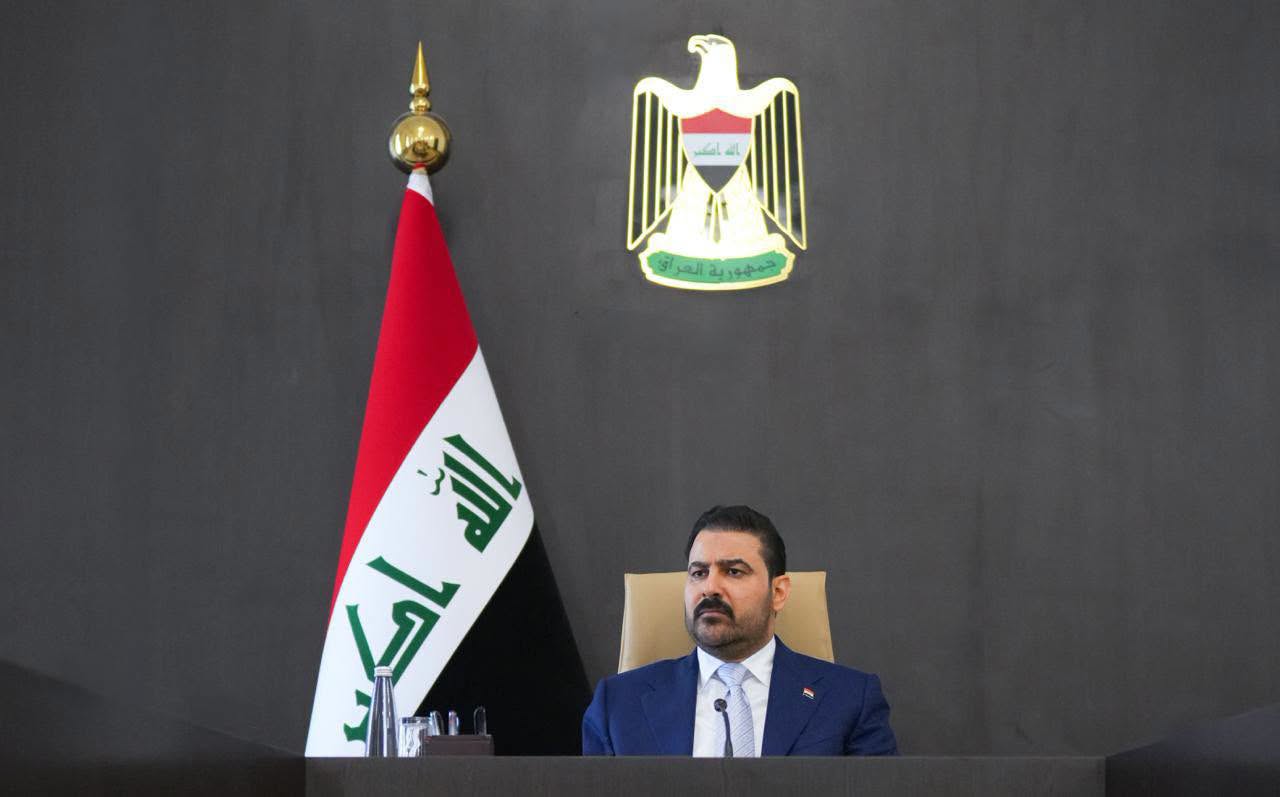
Iraqi Prime Minister Ali Faleh Alzaidi, Wednesday, November 25, 2026 - Media Office of the Prime Minister's Office
In November 2026, the government of Prime Minister Ali Faleh Alzaidi led an accelerated field and political movement centered on extending state sovereignty, eliminating oil smuggling networks, and reorganizing internal security deployments, in parallel with diplomatic efforts to spare the country the repercussions of regional tensions.
First: Internal Field and Security Developments
Closing crossings and combating oil smuggling. The Border Forces Command began closing all unofficial crossings with neighboring countries, including the “Pishteh” crossing with Iran in Halabja and the “Al-Waleed” crossing with Syria in western Anbar. This comes as part of a wide-scale security and administrative campaign launched by the Iraqi government to dry up the sources of oil smuggling. Alongside this, instructions were issued to army units to close dirt roads and secondary corridors linking the Kurdistan Region with neighboring governorates, coinciding with the dismissal of several senior security and administrative officials, including the head of the Border Ports Authority, the Commander of Kirkuk Operations, and the Director General of the North Oil Company.
Political and popular tension between Baghdad and Erbil. The Prime Minister’s decision caused escalating tension between Baghdad and the Kurdistan Region and created a sharp political crisis, as the decision stipulated tasking the Federal Ministry of Oil with managing the oil fields located under the security control of the Kurdistan Region and taking over the border crossings. Thousands of citizens took to the streets in protests in the city of Erbil in rejection of these measures, while the Prime Minister of the Region, Masrour Barzani, expressed his strong rejection of the decisions and of addressing the Region in military language. This was followed by the Federal Supreme Court issuing an interpretive ruling affirming the constitutionality of Baghdad’s measures in protecting the borders and managing oil files.
Security deployment in Jurf al-Sakhar (Jurf al-Nasr). Field and intelligence reports indicate the continued presence of elements and sites belonging to Kata’ib Hezbollah in the area, with the monitoring of operations transferring military equipment toward western Iraq in anticipation of any regional escalation. This follows the entry of government security forces into the Jurf al-Sakhar area south of Baghdad under an understanding aimed at reorganizing deployment and unifying command and control.
Organizing army deployment and handing over cities to the Interior Ministry. Minister of Defense Naif al-Shammari issued a decision stipulating that the army dedicate itself to the tasks of defending sovereignty and securing external borders. The orders included all military units inside cities to prepare to evacuate their positions and hand over the internal security file entirely to the formations of the Ministry of Interior.
Economic situation and oil exports. Iraqi oil exports rose to 3.6 million barrels per day, with the resumption of pumping via the Kirkuk–Ceyhan pipeline to Turkey at an initial rate of 120,000 barrels per day and a plan to gradually raise it to 500,000 barrels, according to what was announced by the Iraqi Ministry of Oil.
Second: External Developments and Regional Relations:
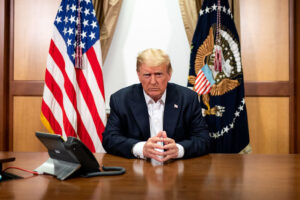
American mediation between Baghdad and Erbil. US Envoy Tom Barrack held intensive contacts with both Prime Minister Ali al-Zaidi and Regional Prime Minister Masrour Barzani, and also informed Baghdad of the necessity for de-escalation and not moving military forces against the Region.
Securing Iraq from the repercussions of US-Iranian tension. Baghdad is raising its readiness in anticipation of any emergency or military confrontation between the United States and Iran and the accompanying threats to navigation in the Strait of Hormuz or targeting of interests in the region. It is worth noting that Iraq presented an initiative to form a committee of foreign ministers of the region’s countries to visit Tehran and Washington and push toward peaceful solutions, and Baghdad also witnessed a visit by the Commander of the Iranian Quds Force, Esmail Qaani, to reach de-escalation and prevent internal escalation.
Arab rapprochement and strategic connectivity projects. During an official visit to Cairo, Prime Minister Ali al-Zaidi met with Egyptian President Abdel Fattah el-Sisi and chaired the meetings of the Joint Higher Committee to enhance economic and investment cooperation between the two countries. Iraq and Turkey are also preparing to lay the foundation stone and launch the executive works for the Development Road project in early 2027, coinciding with accelerating the connection of the railway line route and developing the Grand Faw Port.