Iraq Grants Jordanians Direct Entry Visas Upon Arrival
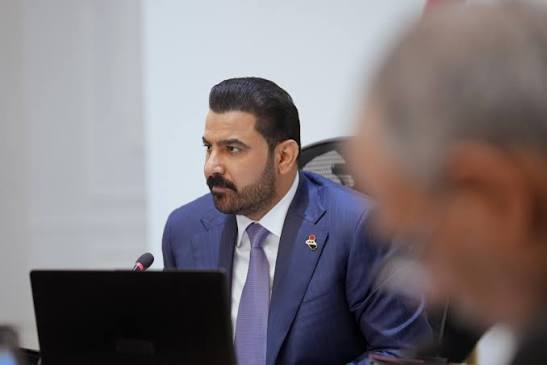
"Baghdad and Amman strengthen bilateral relations by opening new horizons for economic integration, joint investment, and tourism exchange."
The Iraqi Embassy in Jordan announced that the Iraqi Ministry of Interior has officially issued a ministerial order to grant Jordanian citizens entry visas to Iraqi territories directly upon arrival at all border crossings and international airports. This significant regulatory shift completely bypasses the lengthy and complex procedures previously required for advance visa applications. According to official diplomatic statements, the decision takes effect immediately, marking a major milestone in the history of bilateral relations aimed at accelerating trade, investment partnerships, and facilitating the movement of civilians between Amman and Baghdad.
Mechanisms of Bilateral Movement and Administrative Organization
This ministerial order serves as a direct administrative translation of the high-level diplomatic and security understandings developed between the two neighboring countries over the past months. Under the newly adopted system, Jordanian passport holders traveling for business, tourism, or official missions can complete immigration procedures and pay the prescribed fees directly at Iraqi airport terminals (Baghdad, Erbil, Basra) or land border centers. Iraqi authorities have directed residency and border personnel to simplify procedures immediately to accommodate the anticipated influx of Jordanian travelers.
Analysis of the News Dimensions and Strategic Implications:
Stimulating Economic and Trade Integration: This decision represents a strategic driver for expanding trade cooperation between the two nations. Iraq and Jordan share vital economic interests, notably the Turaibil (Al-Karameh) land border crossing and joint strategic projects—most prominently the Basra-Aqaba oil pipeline. Eliminating travel restrictions allows Jordanian investors, engineers, and merchants immediate access to the Iraqi market, accelerating commercial contracts and partnerships with the Iraqi private sector during the current reconstruction phase.
Revitalizing Regional and Religious Tourism Sectors: The decision directly contributes to boosting the revenues of the Iraqi tourism sector. Jordan possesses extensive expertise in management and services, and opening the borders facilitates academic exchange, medical partnerships, and joint tourist delegations. Furthermore, the decision makes it easier for Jordanian citizens to visit archaeological, cultural, and religious sites spread across various Iraqi governorates, supporting the state’s efforts to maximize non-oil sovereign revenues.
Diplomatic Cooperation and Regional Stability: From a broader geopolitical perspective, this step reflects the depth of ongoing diplomatic coordination between Baghdad and Amman. Amid regional tensions and mutual economic pressures, both countries seek to strengthen bilateral alliances as a safety valve against external shocks. For the government of Prime Minister Ali Al-Zaidi, deepening institutional and popular ties with Jordan reinforces Iraq’s strategy of integrating into its Arab surroundings and establishes a stable foundation for signing broader trade agreements in the future.