Trump: “We don’t need a deal with Iran”
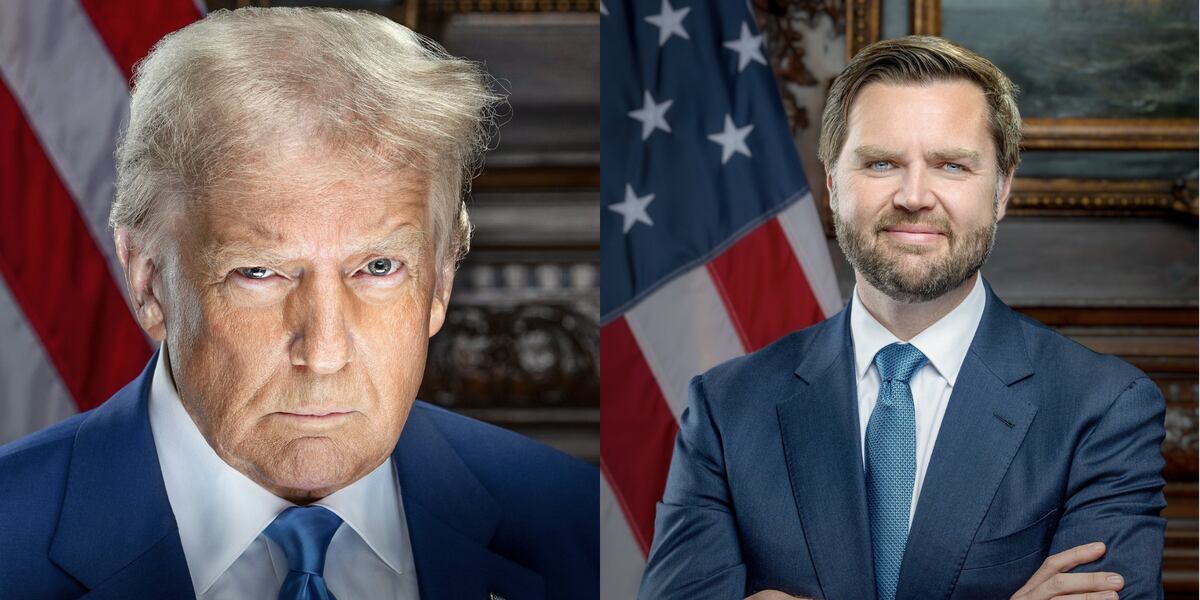
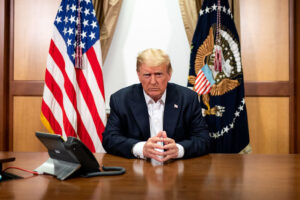
President Donald Trump and his Vice President, JD Vance
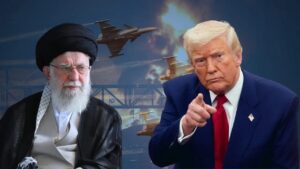
A statement that upends the trajectory of diplomatic efforts, as US President Donald Trump unexpectedly announced on Thursday, November 12, 2026, that the United States “no longer needs a deal with Iran.” He also directed his Vice President, JD Vance, to halt negotiation efforts with Tehran and devote himself to focusing on domestic affairs.
Key Details and Developments of the News:
Halting the Negotiation Track and Pulling “Vance”:
“We don’t need a deal with Iran, those days are long gone. We have their money in the hundreds of billions of dollars, and we have their Strait!” This is what President Trump wrote on Thursday via his platform, Truth Social. He then ordered his Vice President, JD Vance, to focus on “fighting corruption and crime in Democrat run cities and states” and to stop the behind the scenes contacts he was leading at a time when he was considering a direct meeting with the Secretary of Iran’s Supreme National Security Council, Mohsen Rezaei.
Declaring Victory in the Veterans Day Speech:
Trump once again declared that America “won the war,” just hours after a speech he delivered on Wednesday, November 11, 2026, at Arlington National Cemetery on the occasion of Veterans Day. Trump explained: “It’s just a matter of time when we want to end it. We want to make sure we achieve a 100% complete victory, not 93%… It will take them 25 years to rebuild what we destroyed.”
Hardening of Iran’s Stance and Refusal to Give Up Uranium:
Following Tehran’s hardline statements, represented by what Mohsen Rezaei said on Wednesday that Iran will not allow the removal of “even a single atom of enriched nuclear material” from his country in addition to another hardline statement on Thursday from a senior Iranian security official stating that Tehran will not accept any negotiations until its “seven conditions” are met, which include lifting the naval blockade and sanctions and halting the war on all fronts, which US Secretary of State Marco Rubio described as “unacceptable and ridiculous.” This is where Trump’s reversal on negotiations took place.
Immediate Repercussions on Oil Markets:
Brent crude prices rose by 3.3% on Thursday to once again surpass the $96 per barrel level. Trump’s statements, which reinforced a state of open ended military stalemate instead of reaching a peace agreement, brought anxiety back to global markets just days after prices had fallen below $90 per barrel when Trump announced his readiness to negotiate a resolution to the conflict with Iran and met with senior mediators, Qatari Prime Minister and Minister of Foreign Affairs Sheikh Mohammed bin Abdulrahman Al Thani.
What Pushed Trump Toward a Military Stalemate Instead of an Agreement:
According to reports by the Wall Street Journal, Bloomberg, and the Washington Post, observers and foreign policy analysts in Washington point to four strategic motives behind this sudden retreat, which are:
- Realizing the impossibility of extracting a nuclear concession at the present time. Tehran realized that Trump is in a weak domestic position after the Democrats seized control of both the House of Representatives and the Senate due to voter anger over the war and high fuel prices, resulting in the Republicans’ loss in the Congressional midterm elections last week. Therefore, Iran raised the ceiling of its conditions and refused to hand over its uranium stockpile. Here, Trump found that continuing to negotiate would force him to make concessions and appear politically defeated, so he unilaterally closed the door to negotiation.
- Escaping to the status quo. Trump was left with only two options, each more bitter than the other. The first is resuming comprehensive aerial bombardment, which would once again cause oil prices to explode and provoke the anger of the new Congress and Gulf allies. The second is signing an agreement on Iranian terms. Here came Trump’s third option, where he adopted managing the conflict through a military stalemate and declaring victory in the media, while maintaining the naval blockade on Iranian ports, military control over navigation in the Strait of Hormuz, and freezing Iranian assets as free pressure cards that cost him no human casualties.
- Recalibrating the domestic front and neutralizing his Vice President. Trump pulled the Iran file out of Vance’s hands and directed him to attack Democratic cities, after Vance had announced following the midterm elections that “the war is the reason the Republicans lost,” which revealed a division inside the White House and embarrassed Trump.
- Preventing Gulf states from reaching an agreement with Iran. Realizing the danger of leaving the Gulf states with an Iran that is suspended, besieged, and angry, out of concern that the countries of the region might seek separate understandings with Tehran to avoid any Iranian retaliatory reaction. This is what experts at the Middle East Institute in Washington warned against that Trump’s diplomatic withdrawal, maintaining the economic blockade on Iran, and leaving it unresolved will place the Gulf states and the global economy in a fragile position, which will foster the creation of new alliances in the region.
Up to this moment, both Israel and Iran are exchanging missile attacks amidst an American military stalemate. Developments in the upcoming phase will reveal whether the former will be tasked with managing the region by proxy and confronting Iran militarily, or if Washington’s allies in the Gulf will have a different role in the next stage.