Alzaidi Confronts Armed Factions and the Benefits for Gulf States and Israel
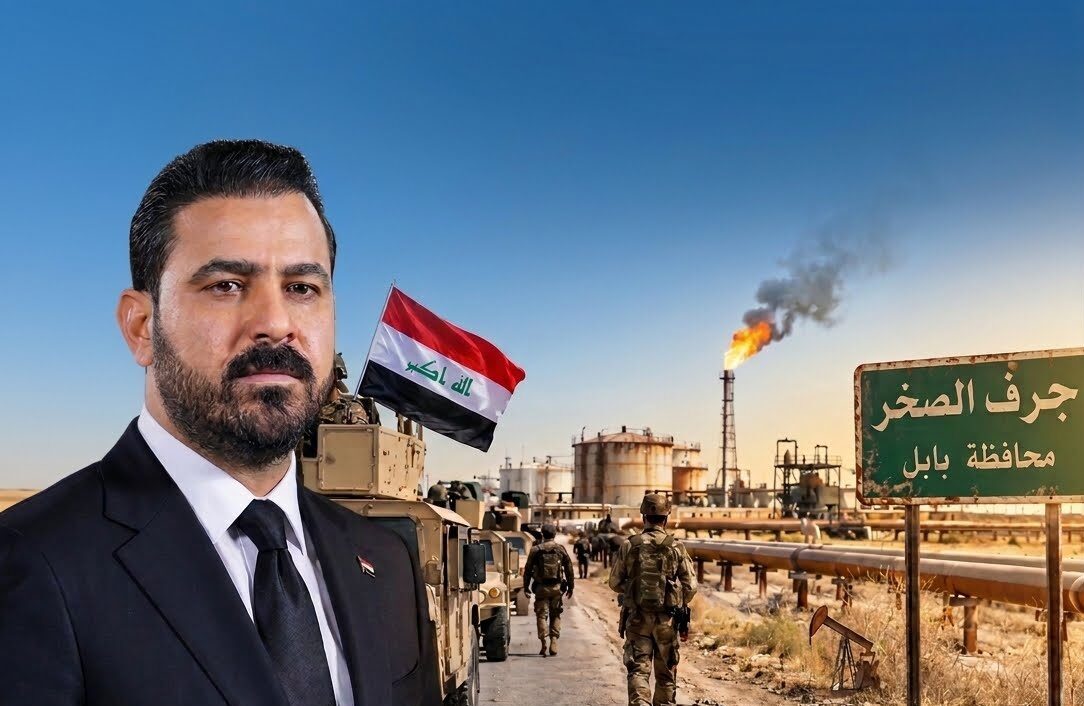
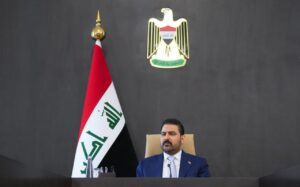
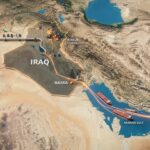
Illustrative image of Prime Minister Ali Alzaidi and the Jurf Alsakhar area in Babil Governorate
Iraqi Prime Minister Ali Falih Alzaidi is leading a confrontation of the most dangerous kind to dismantle the economic and security influence of armed factions inside Iraq. Where the Iraqi arena is witnessing a radical shift in internal and regional balances of power in November 2026,
In this file, major regional and international wills intersect, and its mill turns through oil deals, intelligence leaks, firm American orders, and a redrawing of the map of influence in the Middle East.
Military, Security, and Economic Leaks and What Happened in Recent Hours
Leaked documents and field developments up to mid November 2026 revealed a fierce intelligence and economic war, represented by the following:
The Jurf Alsakhar Earthquake: Alzaidi issued a historic decision to dismiss 9 senior security and oil leaders in Babil Governorate, including the Police Commander, the Popular Mobilization Forces Commander, and the Directors of Intelligence and National Security, and refer those involved to the judiciary on November 14, 2026. This was after a top secret 19 page intelligence report prepared by the Iraqi Ministry of Interior, backed by satellite imagery, proved the theft and smuggling of crude oil since 2021 via tapping federal pipelines and transporting it in tankers with a capacity of 36,000 liters, along with primitive oil refineries and secret underground storage pits in the Jurf Alsakhar area, or what is known as Jurf Alnasr, which has been controlled by Kata’ib Hezbollah since 2014.
The Mosul Airport Strike and Drone Response: Alzaidi canceled contracts for three companies at Mosul International Airport affiliated with armed factions on November 7, 2026. Immediately followed the next day, November 8, 2026, the Khor Mor gas field in the Kurdistan Region was targeted by a drone launched from inside Iraq, in a direct threatening message from the factions in response to drying up their financial sources.
Bargaining and Secret Deal Leaks: Political leaks revealed that Kata’ib Hezbollah sent mediation messages offering a temporary truce and postponing the weapons handover file on the condition of restoring its economic contracts in Mosul and halting its prosecution in Jurf Alsakhar, which Alzaidi refuses.
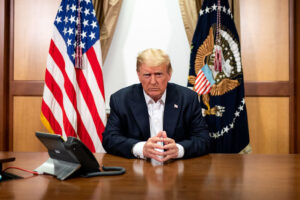
American Orders and Warnings to Baghdad: Washington notified Baghdad of three decisive orders during a phone call between Trump and Alzaidi on November 5, 2026, followed by a closed meeting with Envoy Tom Barrack, and the orders are:
Direct Strikes: Direct US airstrikes on the headquarters and leaders of Iraqi factions inside Iraq without waiting for permission from Baghdad. This is in the event that the factions intervene in any upcoming Iranian-American round of fighting.
Closing Land Borders with Iran: The US Treasury stipulated closing all land border crossings with Iran, except for two ports only, to end the smuggling of currency and Iraqi oil.
Disarmament: Setting June 30, 2027, as the final deadline for restricting weapons to the hands of the state.
Benefits to Gulf States.. Why Do Gulf Capitals Support Alzaidi’s Plan?
Gulf states reap massive strategic and economic benefits from the success of Alzaidi’s plan, especially Saudi Arabia, the UAE, Qatar, and the Sultanate of Oman. Where these countries are considered an undeclared partner in engineering the new stability in Iraq.
Dismantling armed factions and restricting weapons to the hands of a pragmatic government means securing strategic depth and halting the threats of drone and missile attacks launched from Iraqi territory, which Gulf states have suffered from for years.
Sultanate of Oman: Has become Iraq’s maritime lung, where US understandings allowed Iraqi oil tankers to pass through a safe corridor adjacent to Omani territorial waters to avoid the risks of the Strait of Hormuz.
Qatar: Qatari companies, such as UCC Holding, are currently managing a massive fleet of trucks to transport between 120,000 and 150,000 barrels of Iraqi oil daily overland through Syrian territory reaching the port of Baniyas on the Mediterranean, giving Doha major logistical influence in the new regional energy corridor.
Saudi Arabia and the UAE: Riyadh and Abu Dhabi seek to activate electrical and investment interconnection by permanently separating Iraq from the Iranian gas and electricity grid through Gulf electrical interconnection projects, and turning Iraq into an open investment market for Gulf companies in renewable energy, banking, and infrastructure sectors instead of the dominance of faction-affiliated companies.
Strategic Dimensions on Israeli Expansion and Iran’s Relationship
Israel’s Indirect Gains:
Israel knows that striking Iraqi factions militarily would unite the Iraqi street against it. Therefore, having an Iraqi Shia Prime Minister dismantle these factions legally, financially, and securely, backed by the US and the Gulf, represents a free strategic victory for Israel, where it removes Iraq from the military support equation for Iran and Hezbollah.
The US-Gulf approach seeks to integrate Iraq into the regional trade system that serves economic interconnectivity projects in the New Middle East, and to link Iraqi oil pipelines and railways with Jordan, Syria, and the Mediterranean, and this is precisely what Israel seeks.
Iran’s Strategic Dilemma:
For Iran, Iraq is the primary financial breathing space to circumvent US sanctions through oil smuggling and currency auctions. And the crippling blow dealt to the Iranian economy is by closing border crossings and striking smuggling networks in Jurf Alsakhar and Kirkuk.
Tehran is unable to topple Alzaidi’s government by force, because that would mean a devastating Shia-Shia civil war, especially with the presence of Alsistani and Alsadr’s support for the state, as it may also trigger direct and crushing US strikes. Therefore, Iran is bending to the storm and currently contenting itself with directing its proxies to buy time and try to preserve the bare minimum of its organizational presence in Iraq.
Scenarios for the Next Phase 2026 – 2027
The situation in Iraq is heading toward one of three scenarios prepared behind the scenes:
First: The gradual disarmament and financial containment scenario, 60%. It is that Alzaidi continues the policy of nibbling at the edges and striking complicit security leaders, and drying up funding and smuggling sources one after another, where attention will turn to border crossings in Diyala and Basra after Babil and Mosul, while granting factions willing to settle a conditional political and economic exit, which leads to weakening hardline factions and transforming them into political parties stripped of heavy weapons by June 2027.
Second: Chaos and assassinations, 30%. It is that factions such as Kata’ib Hezbollah, after sensing the loss of their military and financial existence, resort to an undeclared security escalation that includes targeting oil facilities in the north and south with drones, as happened in Khor Mor, or attempting to stir up popular protests in Baghdad to confuse the government and force the Coordination Framework to withdraw confidence from Alzaidi.
Third: Regional explosion and US strike, 10%. It is that Washington carries out direct airstrikes on faction headquarters inside Iraq, which will return the country to square one of total chaos and destroy economic recovery plans. However, this will not happen unless direct war resumes between Washington and Tehran, and Iraqi factions proceed to launch missiles toward US bases in the region or Israel.
Who Are the Players Managing the Conflict Behind the Scenes?
The current Iraqi scene is managed by a network of influential figures in Baghdad, Washington, Tehran, and Gulf capitals:
In Baghdad:
The State Front: Represented by Prime Minister Ali Faleh Alzaidi, who recently appointed himself Acting Director of the Intelligence Service, after dismissing the head of the National Intelligence Service in late October 2026, and took over management of the agency to ensure the secrecy of security movements and prevent leaking them to the factions. It is noted that the Prime Minister and Acting Intelligence Director, Ali Alzaidi, assumed his post in May 2026 as a young consensus candidate with a banking background.
The Quartet Committee within the Coordination Framework: Represented by traditional Shia leaders trying to play the role of mediator between Alzaidi’s government and hardline factions to p
revent the Shia house from sliding into an internal civil war.
Internal Balance Forces: Alzaidi enjoys moral cover from the religious authority in Najaf, Ayatollah Ali Alsistani, and undeclared coordination with the leader of the Sadrist Movement Muqtada Alsadr and his wing Saraya Alsalam, and flexibility from pragmatic faction leaders such as Qais Alkhazali – Asa’ib Ahl Alhaq and Shibl Alzaidi – Kata’ib Alimam Ali.
In Washington:
The Pressure and Engineering Front: Represented by President Donald Trump and his Special Envoy Tom Barrack. US Envoy Tom Barrack, tasked with the Iraq and Syria files, manages the daily political and economic engineering in Baghdad, and Barrack has described Alzaidi’s steps as “sovereignty at its finest,” and works on linking Iraq to the regional investment axis.
The US Treasury Department: Represents the deadliest weapon, which is controlling dollar flows from the US Federal Reserve and securing the Iraqi oil export corridor.
In Tehran, Damascus, and Baghdad:
The Resistance Front: Represented by the rejectionist factions, which are Kata’ib Hezbollah and Kata’ib Sayyid Alshuhada led by Abu Alaa Alwalai, which lead the front rejecting the handover of weapons, and consider Alzaidi’s steps a coup against the Coordination Framework and an implementation of an American agenda.
The Iranian Leadership: Following the attrition of the 2026 war and sanctions, the Iranian leadership has begun handling the file with extreme caution, and pressures from behind the scenes to preserve funding and smuggling lines across the Iraqi-Iranian border.