Historic Milestone: Baghdad’s First Jewish Museum Opens Its Doors
Civil Society Initiative Marks a Profound Shift in Heritage Preservation and Minority Recognition Across Iraq
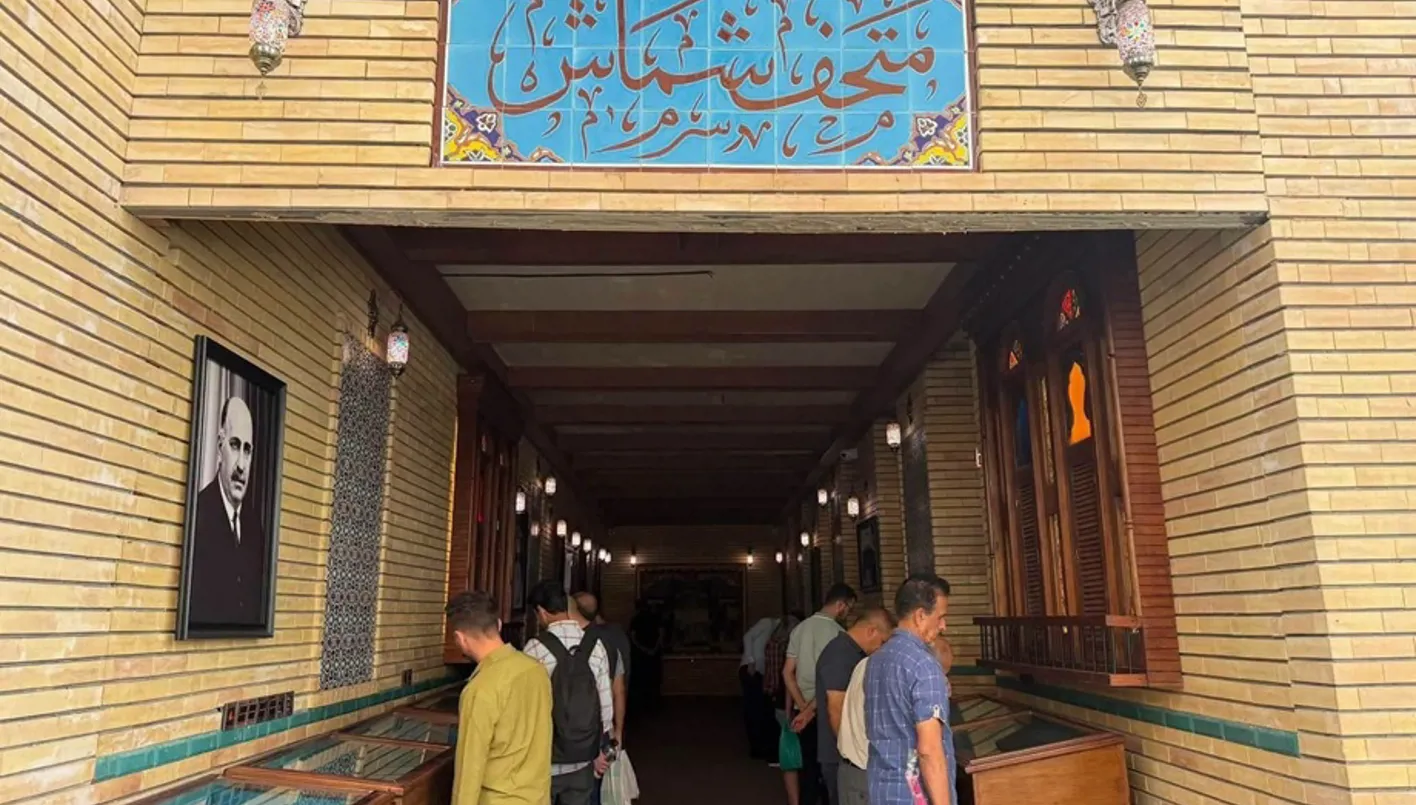
Dozens of U.S. and international visitors have begun flocking to a groundbreaking new museum opened by Iraq’s local Jewish community in Baghdad. The cultural center stands as the first of its kind in modern Iraqi history. The landmark opening occurs amidst ongoing grassroots efforts by the country’s historic minorities to catalog, restore, and display artifacts detailing millennia of domestic Jewish heritage. Despite intense decades of geopolitical friction and demographic decline, the new institution successfully showcases rare texts, architectural relics, and personal archives, offering an unprecedented look into a community that once formed a vibrant pillar of Baghdad’s socio-economic and cultural fabric.
Cultural Reclamation and Archival Framework
The structural launch of the museum follows years of delicate preservation planning and coordination by independent cultural heritage groups. Housed in a carefully secured facility, the exhibition features recovered historical documents, traditional liturgical items, and photographs tracking the community’s contributions to early modern Iraqi journalism, music, and commerce. Curators confirmed that the immediate objective is to build an educational repository accessible to researchers and international tourists alike, preserving a distinct narrative that faced structural erasure following mass migrations in the mid-20th century. Local security departments have established necessary perimeters around the site to ensure the safety of visitors and the protection of the rare archives.
Strategic Dimensions & Analytical Outlook:
- Preservation of Multicultural Heritage: The opening marks a critical victory for the pluralistic historical narrative of Mesopotamia. Iraqi Jewish history stretches back over 2,500 years to the Babylonian era, profoundly shaping the legal, musical, and commercial frameworks of the nation. By providing a physical space to preserve these records, the initiative prevents the total erasure of this heritage, ensuring that future generations can explore the diverse cultural layers that historically defined Baghdad’s global identity.
- Diplomatic Signals and Soft-Power Branding: From a geopolitical perspective, the establishment of the museum serves as a subtle yet significant soft-power tool for Iraq’s standing. By facilitating and securing a minority heritage site, the capital sends strong signals to the international community regarding cultural tolerance and architectural safety. This development helps counter long-standing negative stereotypes, positioning Baghdad as a rising hub for cultural tourism and academic research on ancient Middle Eastern minorities.
- Societal Reconciliation and Identity Realities: While the opening is an undeniable cultural achievement, it highlights the complex social realities of minority preservation. The physical presence of the community has dwindled to near extinction, meaning the museum operates more as a historical archive than a living communal space. The project’s long-term sustainability will rely heavily on continuous international support, institutional partnerships, and the government’s capacity to maintain localized safety guarantees amidst broader regional shifts.