Escalating tensions in the Strait of Hormuz: intense attacks on ships and a setback in the diplomatic path
Escalating tensions in the Strait of Hormuz: intense attacks on ships and a setback in the diplomatic path
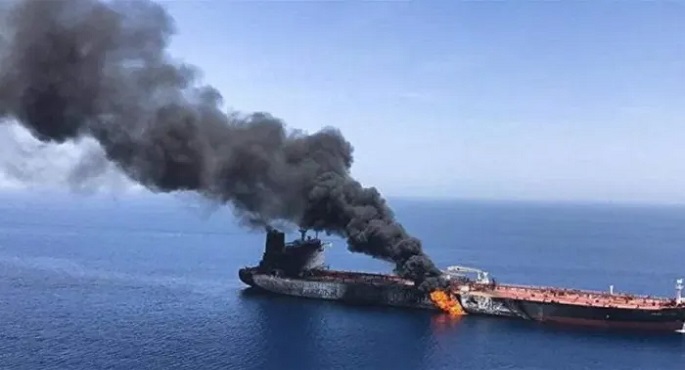
The Strait of Hormuz region has witnessed a serious military escalation over the past few days, as the United Kingdom Maritime Trade Operations UKMTO reported that at least ten ships have been subjected to direct attacks since last Sunday, bringing the total maritime targets during the current month of October to 23 attacks. These missile attacks have resulted in the sinking of a container ship and a bulk carrier near the strategic shipping lane. These operations, alongside other strikes targeting regional airports and Saudi Aramco facilities, are linked to Iran-backed Houthi forces, causing mounting pressure on global energy markets and driving up crude oil prices.
On the political front, the crisis is witnessing a sharp diplomatic deadlock; while Iranian President Masoud Pezeshkian denied during talks with the Prime Minister of Georgia Tehran’s pursuit of nuclear weapons, expressing his country’s readiness for dialogue and conditioning it on the lifting of U.S. sanctions, the stance of the Iranian military was more hardline, with a military spokesperson declaring that the Strait of Hormuz would not be reopened until the complete withdrawal of U.S. forces from the Middle East. In Washington, President Donald Trump confirmed his intention not to strike Iran militarily before the midterm elections scheduled for November 3, despite official directives issued to Pentagon planners and the U.S. Central Command to finalize military contingency options as a precautionary measure.”