Food and health assistance: Between increased allocations and tightened requirements
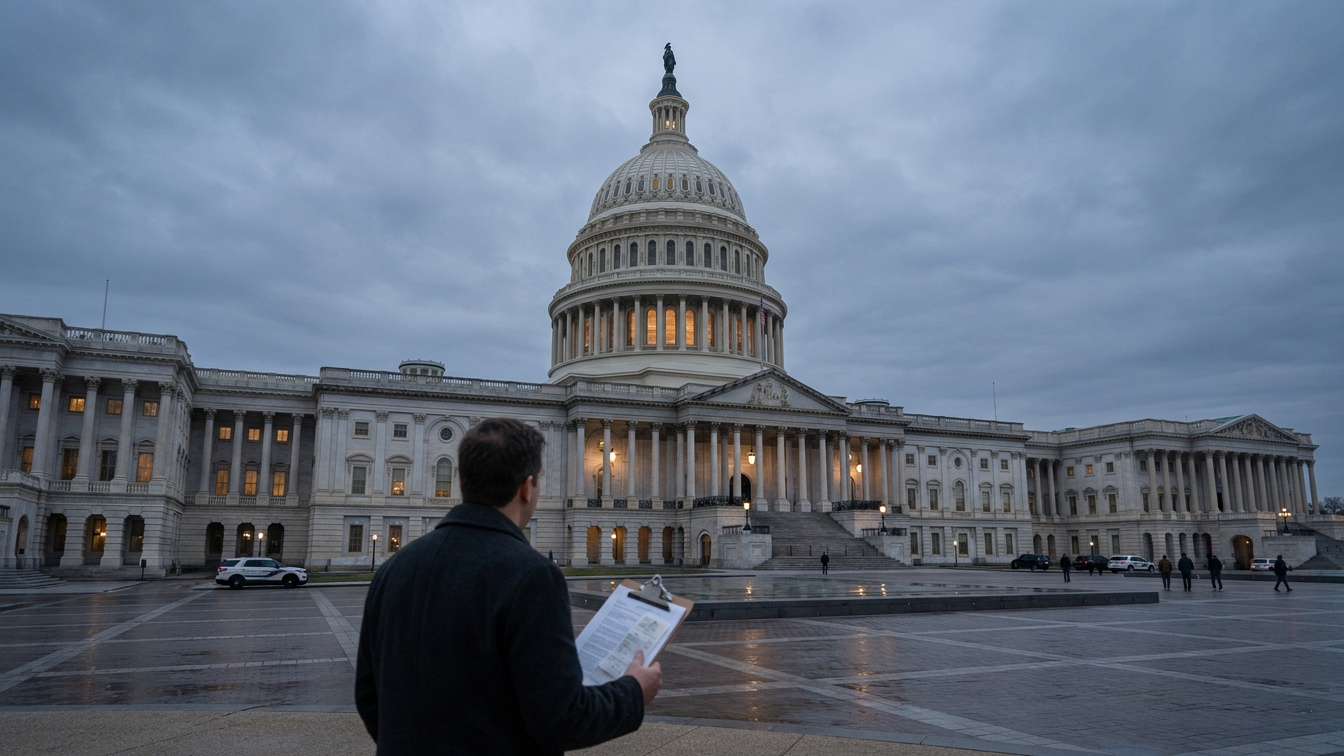
The U.S. government sets new federal rules for assistance between an increase in allocations and a tightening in work and eligibility requirements
Food and health assistance programs have undergone a package of federal amendments that entered into force across the United States, pursuant to the annual cost of living adjustments and the provisions of the federal law enacted in 2025 (H.R. 1). Under these rules, the ceiling for financial allocations will be raised to counter inflation on the one hand, while work requirements and non citizen eligibility will be tightened on the other, which defines the map of government support for low income families during the fiscal year extending from October 1, 2026, through September 30, 2027.
The U.S. Department of Agriculture approved an annual increase in the value of monthly allocations and eligible income limits in the forty eight states and Washington, D.C. Regarding the Supplemental Nutrition Assistance Program, known as SNAP and concerned with food assistance, the maximum monthly benefit rose to $306 for a single individual, to $1,023 for a family of four, and increased to $1,841 for a family of eight, alongside an increase in the minimum benefit to $25 per month, in addition to raising the allowable asset limit for households including seniors or individuals with disabilities to reach $4,750. At the basic federal income level, the maximum gross monthly income is 130% of the poverty line, amounting to $1,729 for a single individual, $2,345 for two people, $2,960 for three people, and $3,575 for four people, in accordance with the approved federal tables, noting that many states apply higher gross income limits under broad based categorical eligibility rules.
In parallel, the federal application of the mandatory work rule for able bodied adults without dependents expanded to include the age group up to sixty four years old, requiring those subject to this rule to complete 80 hours per month of paid work, volunteering, or qualifying vocational training to continue receiving assistance for more than three months within a three year period, unless they obtain a medical exemption, childcare exemption, or acceptable exceptional circumstances. Meanwhile, federal law imposes strict restrictions on non citizen eligibility, limiting program benefits to U.S. citizens, lawful permanent residents holding a Green Card, and specific categories under the law, such as entrants from Cuba and Haiti and citizens of Compact of Free Association nations, while excluding refugees and asylum seekers who have not yet obtained permanent residency from direct federal eligibility upon renewing their files.
As for the health sector, the federal Centers for Medicare and Medicaid Services began implementing the amendments stemming from the same federal law on the Medicaid health insurance program and the Children’s Health Insurance Program (CHIP) starting October 1, 2026. The amendment requires restricting federally funded full health coverage for non citizen adults to lawful permanent residents and legally exempted categories, which means other categories such as refugees, asylum seekers, and humanitarian parolees lose full federal coverage unless they obtain a Green Card or their states provide locally funded coverage programs, while maintaining the right to emergency medical care only for those ineligible, and continuing the states’ option to provide coverage for lawfully residing children and pregnant women.
States are preparing to implement the health amendments in early 2027, which include requiring adults covered under the Medicaid expansion aged between 19 and 64 to fulfill work or community engagement requirements at a rate of 80 hours per month, with exemptions approved for pregnant women, seniors, and individuals with disabilities, alongside tightening restrictions on financial subsidies for health insurance through the Affordable Care Marketplace for non citizens.
For its part, the federal Office of Refugee Resettlement announced the extension of the eligibility period for temporary cash and medical assistance for refugees to become eight months instead of four months to ensure their stability during this transitional phase. Federal and local authorities also called on beneficiaries of assistance programs to monitor postal and electronic notices issued by social services offices in their states, and to ensure updating income data, legal status, and work hours before periodic renewal dates to prevent the interruption of support or health coverage.
Reader’s Guide:
To create an account to track notices, update data, and apply online, you must access the official portal of the state in which you reside through the following approved federal directories:
- Food Assistance – SNAP Program
Official State Directory: Use the official SNAP state directory affiliated with the U.S. Department of Agriculture to select your state from the list or map, where it will direct you straight to your state’s electronic application portal and application tracking account.
To Track Balance and Notices: You can use the beneficiary portal in the program to check assistance disbursement dates and Electronic Benefit Transfer (EBT) card customer service in each state.
- Health Assistance – Medicaid and CHIP
Official State Directory: Browse the state profiles on the official federal Medicaid website and select your state to access the electronic application and renewal link.