Massive US Strategic Airlift: Over 12 Military Cargo Planes Land in the Middle East
Pentagon deploys heavy equipment and air defense systems to reinforce CENTCOM bases
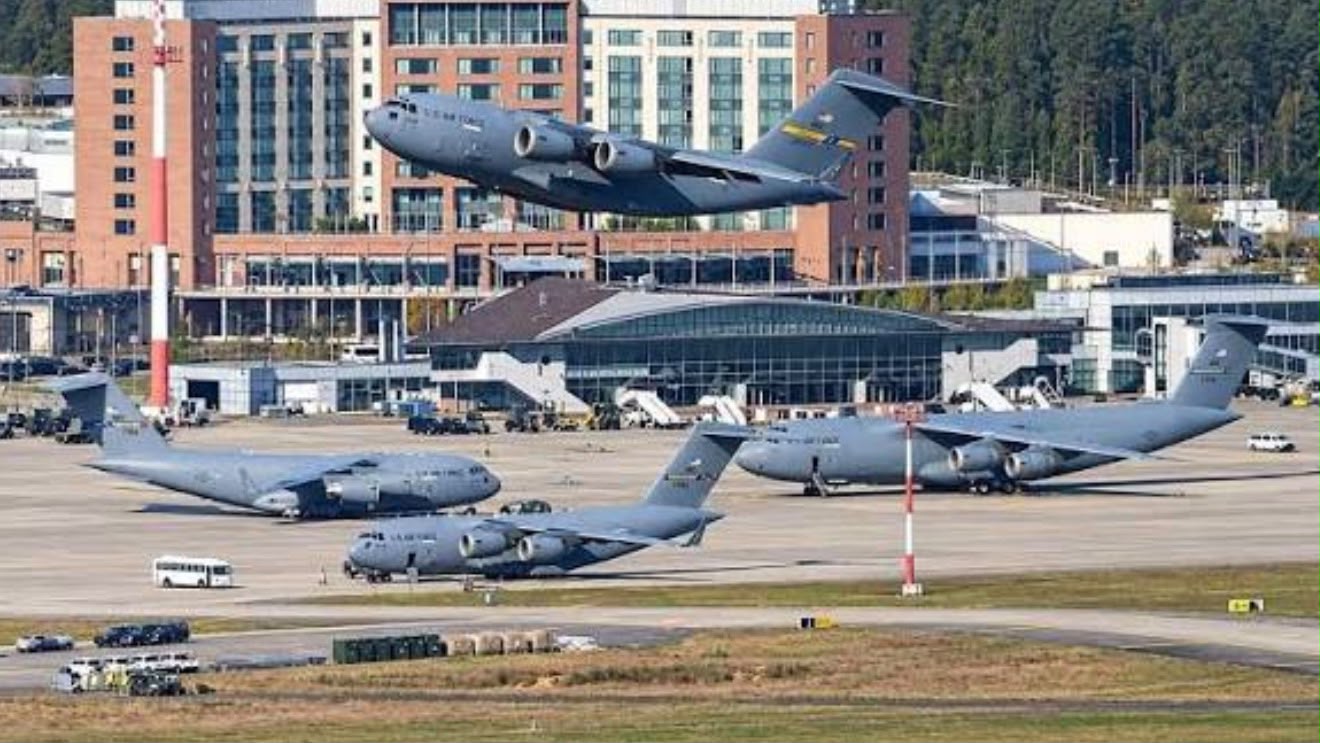
Airspaces and military airfields across the Middle East have experienced an unprecedented surge in heavy logistics traffic. International flight-tracking platforms monitored the arrival of over 12 US Air Force strategic transport aircraft, specifically C-17 Globemaster III and C-5M Super Galaxy giants, landing at multiple pivotal bases in the region. This rapid military airlift, directed by the Pentagon, transferred heavy military hardware, cutting-edge air defense systems, and massive munitions stockpiles. The deployment aims to secure US personnel, reinforce regional allies, and elevate the operational readiness of US Central Command CENTCOM amid escalating regional flashpoints.
Deployment Details & Regional Distribution:
1. Airlift Breakdown and Assets Transferred
The strategic cargo fleet departed in a highly synchronized operation from major mobilization stations inside the United States, notably Fort Bliss in Texas. The assets transited European airspace via a primary logistics node at Ramstein Air Base in Germany before heading to their final destinations in the Middle East. According to military and aviation tracking logs, the heavy cargo included additional batteries of the Patriot missile defense system, components of the THAAD (Terminal High Altitude Area Defense) system, tactical combat vehicles, large batches of interceptor missiles, and specialized field maintenance gear.
2. Geographical Distribution and Target Bases
The heavy military reinforcement was dispersed across a strategic network of bases to establish comprehensive defensive and offensive coverage. Primary destinations included:
• Israel: Heavy airlifters touched down at the Ovda and Nevatim airbases in the Negev desert, delivering interceptor stockpiles to reinforce the integrated missile defense grid.
• Jordan and the Persian Gulf: Cargo was offloaded at various US and joint facilities in Jordan, Qatar (Al Udeid Air Base), Saudi Arabia, and Kuwait, bolstering installations that house early-warning networks against incoming drone and ballistic missile threats.
3. Strategic Timing and Context
This massive logistical surge coincides with the conclusion of the US midterm elections and follows severe maritime disruptions in the Persian Gulf, where multiple oil tankers caught fire after striking naval mines in the Strait of Hormuz. The military movement also aligns with Washington’s recent warnings to Gulf partners to brace for a potential short, intense joint US Israeli air campaign targeting Iranian energy infrastructure, nuclear sites, and missile arsenals to compel Tehran back to the negotiating table.
Strategic & Tactical Implications
• Rectifying Defensive Vulnerabilities: Shifting air defense assets from domestic US bases to the theater indicates a concerted effort by the Pentagon to patch defensive gaps highlighted by a recent Associated Press (AP) analysis. The study revealed that prior Iranian strikes intentionally prioritized blinding US early-warning radars and air defense infrastructure before targeting aircraft and troop facilities.
• Pre-positioning for Potential Escalation: The influx of heavy interceptor systems serves a dual purpose. While defensive on the surface, it provides the vital umbrella needed to shield exposed US installations from a fierce Iranian retaliatory backlash should the joint US-Israeli pre-drafted post-election strike plans be set in motion.
• Leverage in Backchannel Diplomacy: This high-visibility airlift functions as a real-time demonstration of rapid American power projection. It delivers a stark signal to Tehran—which is currently engaging Qatari mediators in Doha—that the White House remains fully prepared to back its political demands with overwhelming naval and aerial force if diplomatic avenues fail to yield a permanent nuclear freeze