Mesopotamia’s relationship to the zodiac signs and their names
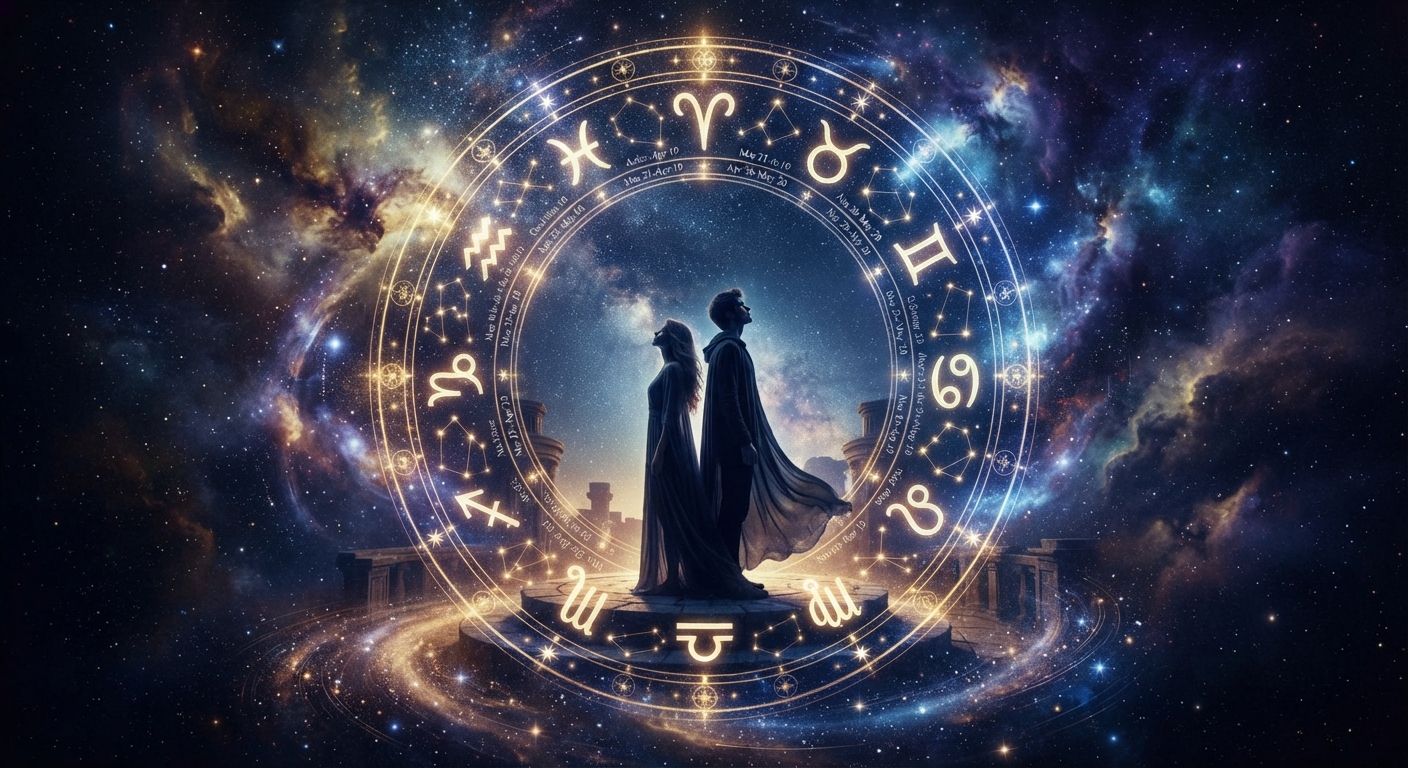
The stars in the sky have always served as a guide and a compass for travelers, but humans did not stop at making them a beacon for their path; they wanted them to be a mirror for their soul. Hence, the idea of the zodiac was born, evolving through the ages from a mere means of calculating time and agriculture into a psychological guide that claims to interpret human nature. Whether you believe in it or read it for entertainment, you must have stood amazed one day before a line describing the finest details of your personality, as if it were written specifically for you.
The story begins in Mesopotamia, where the ancient Babylonians were the first to notice that the sun revolves in a regular apparent path throughout the year. To regulate the seasons of agriculture and floods, they divided this path into twelve equal parts, naming each part after the constellation of stars that appears in it. The naming stemmed from their surrounding environment and from the folk tales they used to explain natural phenomena. When the summer heat intensifies and drought prevails, the constellation of Leo appears as a symbol of power and might, and when it is time to plow the land with oxen, Taurus appears in the sky as a signal to start work. As this culture passed to the Greeks, they dressed those names in the cloak of their ancient myths, turning the constellations into inherited characters and fictional stories.
When we look at the world of men and women through the lens of the zodiac, we find an interesting interaction that reflects the nature of human thinking. Women often resort to the details of the sign to search for deep emotional connections and to understand the complexities of human relationships; they read the lines to look for security, harmony, and the ability to read the feelings of others. In contrast, men, even if they show their lack of interest publicly, focus on traits that enhance their social or professional status, such as leadership, strength, resilience, and achieving financial success. This variance gives each gender a special and different reading of the same zodiac sign.
But the most controversial question, which puzzles millions, is how do the characteristics of these zodiac signs match those born under them so often?
The first logical explanation lies in the way the human mind works. There is a famous psychological trick proven by scientists, which boils down to the fact that when a person reads a general and broad sentence formulated cleverly, they automatically tend to believe that it was written for them in particular. The mind performs a quick filtering process, remembering situations that match the written words and completely ignoring all other situations that contradict them. If you read that you are a kind person but you become harsh when exposed to betrayal, you will immediately remember the few times you got angry, and you will feel that the sign speaks of your depths, even though this trait applies to all human beings without exception.
In addition, there is what is known as unconscious self programming. When a child grows up hearing from their family or reading in magazines that they belong to a sign characterized by courage and the ability to lead, their subconscious mind begins to direct their daily behavior to become exactly that. They do not act based on signals coming from the stars, but rather based on the mental image they have implanted in their mind about themselves since childhood.
Although modern science completely denies that the gravity of distant stars has any effect on the newborn’s behavior, it reveals a new and amazing angle that many have not addressed, which is the effect of the birth season itself on human nature and the body.
Researchers have found that the time a child enters the world affects brain chemistry due to the environmental conditions surrounding the mother during pregnancy. Mothers who give birth in winter are exposed to less sunlight, which affects the levels of vitamins and minerals in their bodies, and this is reflected in the proportions of chemicals responsible for mood in the fetus’s brain. This makes those born in winter and autumn, who belong to certain signs, statistically tend to be calm, cautious, deep thinkers, and sometimes moody. As for those born in summer and spring, who enter the world in an abundance of light and warmth, they often show greater vitality and an optimistic approach to life.
The zodiac is an ingenious blend of an ancient historical legacy and the nature of the human soul, which loves to search for answers to the mystery of personality. The secret does not lie in the stars, but rather in our deep desire to understand ourselves and those around us, and in that gentle connection that links our moods to the earth’s seasons and weather fluctuations at the moment of our arrival into this world.