PM Zaidi Directs Increase in Kirkuk Electricity Following Intense Protests
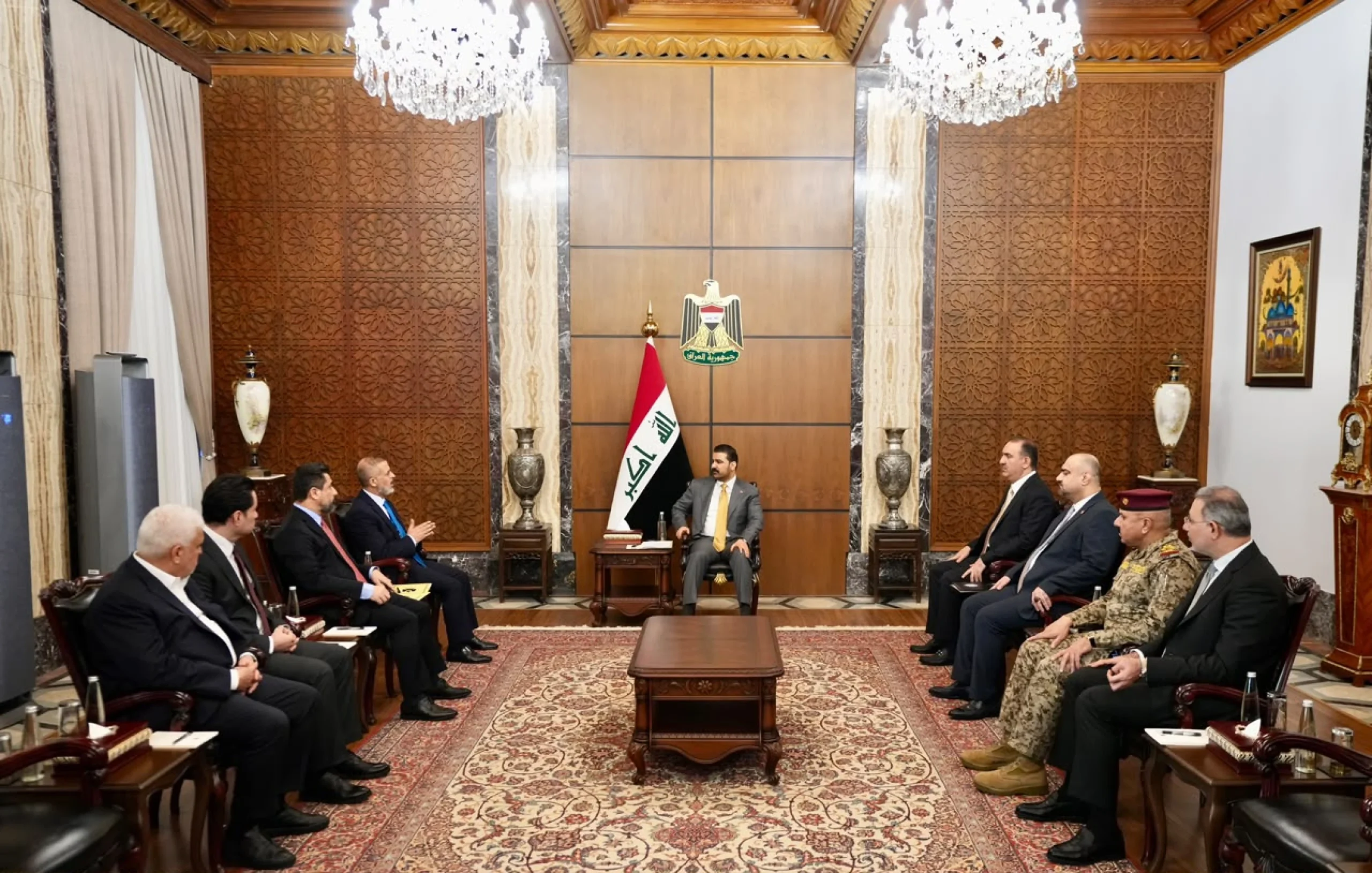
Between Soaring Thermal Demands and Grassroots Unrest: Baghdad Intervenes to De-escalate Energy Deficits in the Disputed Province
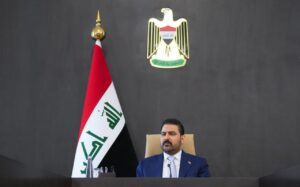
In a swift administrative intervention, Iraqi Prime Minister Ali Zaidi has issued executive orders directing the Ministry of Electricity to immediately boost Kirkuk Province’s share of power from the national grid. The high-level directive follows a wave of fierce localized protests that paralyzed sections of the strategic city, with hundreds of demonstrators taking to the streets to denounce prolonged blackouts, falling supply hours, and the structural failure of both the national grid and neighborhood generators.
Inside the Executive Directive and Grid Readjustments
According to an official briefing from the Prime Minister’s Media Office, directed by Ali Zaidi, the executive mandate orders technical crews to adjust distribution configurations and channel immediate emergency megawatts to Kirkuk.
The mobilization was triggered after protest factions blocked key arterial roads and burned tires, demanding structural accountability from local energy directors and immediate fuel allocations for commercial generators. The Ministry of Electricity confirmed that engineers have commenced load-shifting operations along the primary transmission lines to stabilize residential supply hours within the coming hours.
Strategic Dimensions & Analytical Outlook:
The Geopolitical Volatility of Kirkuk: The energy crisis in Kirkuk transcends simple infrastructural deficits, serving as a dangerous catalyst in a province defined by intense ethnopolitical rivalries between Arab, Kurdish, and Turkmen factions. Extended utility failures are frequently perceived through a political lens, threatening to destabilize local administrative security—a reality that forced PM Zaidi’s rapid intervention to prevent opposition factions from capitalizing on civic grievances.
The Dilemma of Zero-Sum Grid Allocation: The administration’s response highlights the systemic vulnerabilities of the Iraqi electricity sector, which continues to rely on localized crisis management rather than baseline structural overhauls. Because aggregate national generation remains bottlenecked by gas supply shortages and degraded distribution grids, increasing Kirkuk’s electricity share inevitably necessitates fractional reductions in neighboring provinces, risking shifting the geographic focus of protests elsewhere.
A Test of the Zaidi Administration’s Crisis Management: This service crisis serves as a critical evaluation of PM Ali Zaidi’s field governance. While immediate emergency reallocations provide necessary short-term stabilization to the streets of Kirkuk, long-term political stability hinges on the administration’s ability to transition from reactive grid patching to finalizing major power infrastructure partnerships and reducing dependence on energy imports