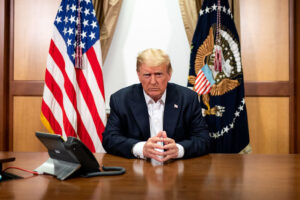
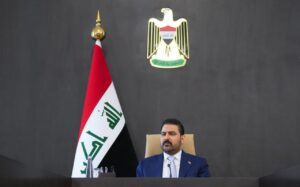
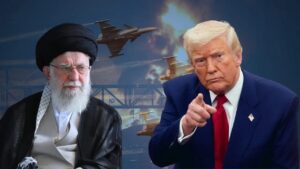
US President Donald Trump meets the Qatari mediator
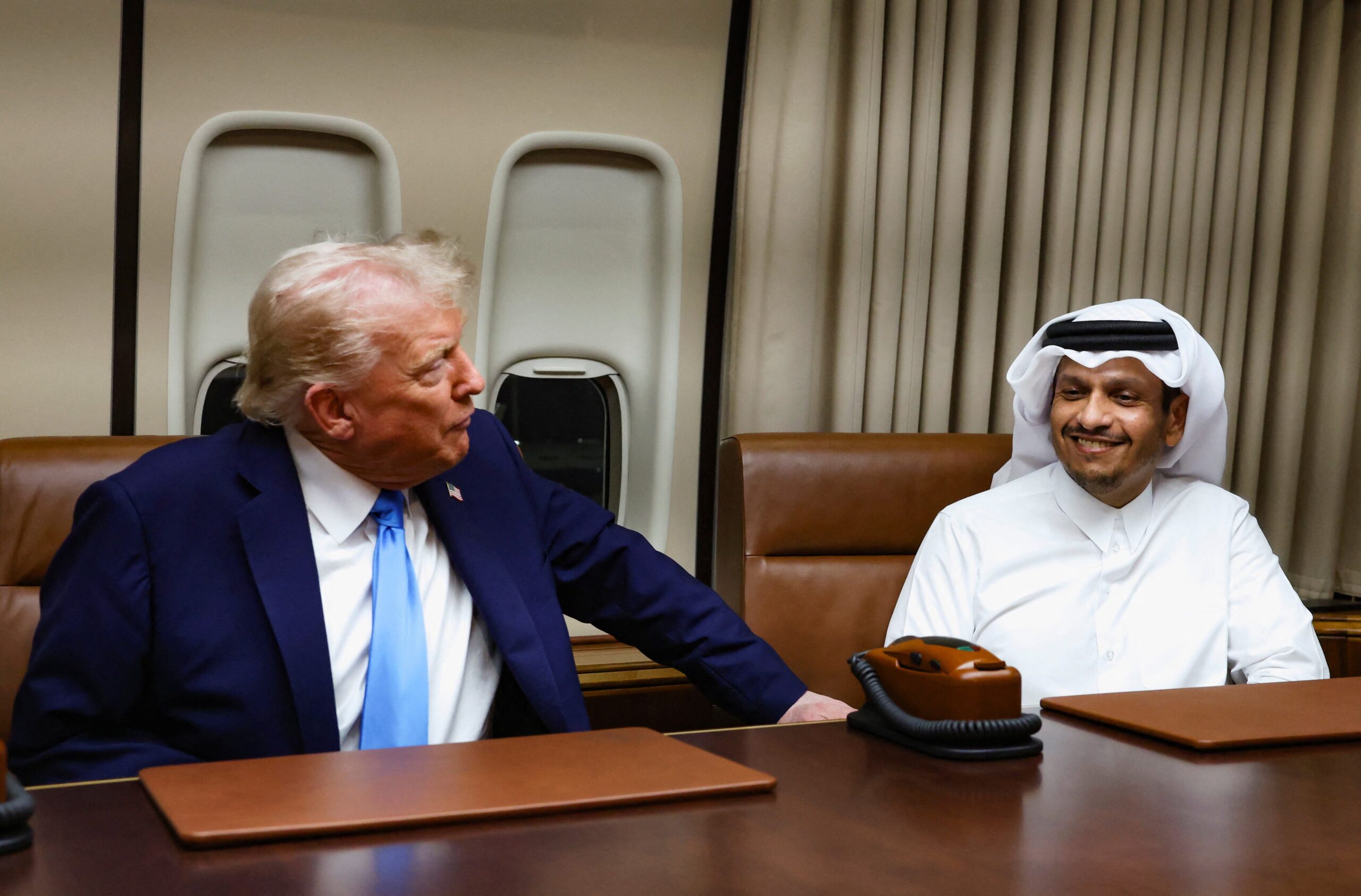
US President Donald Trump with the Qatari Prime Minister and Minister of Foreign Affairs at the White House
All eyes are on the White House where US President Donald Trump is preparing to receive Qatari Prime Minister and Minister of Foreign Affairs, Sheikh Mohammed bin Abdulrahman Al Thani, at the White House today, Monday, November 9, 2026, in an attempt to push forward diplomatic efforts aimed at ending the ongoing war with Iran. Despite these intensive moves which came just days after the conclusion of the US midterm elections, in which a noticeable decline in the popularity of Republicans was recorded and justified by those close to Trump as the political cost of the ongoing conflict with Iran that has lasted for eight months and despite escalating domestic pressure to stop the conflict, senior US and Gulf officials rule out the prospects of an imminent agreement.
Despite the intensive drive led by Doha following its Prime Minister’s visit to Tehran last week, it is clearly F-evident that the chances of reaching an imminent agreement are very slim due to the wide divergence in positions between the two sides. While Iran proposes a two day phased plan conditioning the lifting of the US naval blockade and the easing of sanctions in exchange for reopening the Strait of Hormuz and beginning nuclear negotiations, Washington, for its part, rejects Tehran’s conditions completely and utterly, which US Secretary of State Marco Rubio described as unrealistic conditions.
However, Trump is wagering that the impact of economic collapse and rising inflation inside Iran serves as the weapon that will force Tehran to back down from its position and concede its conditions. He also ruled out, at the same time, launching new broad attacks as long as negotiations are still ongoing.
Nevertheless, the pace of field escalation has not subsided in tandem with political movements; especially after Iranian media announced that Qeshm Island was subjected to American raids last night without recording damage to vital installations, alongside the continuation of attacks against oil tankers in the Arabian Gulf and the Strait of Hormuz at unprecedented rates. This comes with the Houthi group in Yemen announcing the targeting of a facility belonging to the Aramco company in Riyadh, a matter that reinforces regional fears of the fragments of tension extending once again into the Gulf depth and the region entering a long phase of instability and attrition.
The following lines review the details of the diplomatic efforts and the Iranian proposal more broadly:
In the Qatari mediation round, Sheikh Mohammed bin Abdulrahman Al Thani, whose country has been leading a major mediation since the war broke out, will meet both President Trump and his Vice President JD Vance in Washington, following a visit he conducted to Tehran last week to convey messages and bring viewpoints closer.
The Iranian initiative to stop the war includes several conditions in a plan that Tehran says can be implemented within a two-day timeframe; the first of which is lifting the US naval blockade on its ports, easing some sanctions, and halting the bombardment. In return, Iran pledges to end its blockade on the Strait of Hormuz, and concludes it with the condition of entering into negotiations regarding its nuclear program and the rest of the sanctions later on.
The Iranian proposal is met with the hardline US stance that repeatedly rejects those conditions, considering them “unrealistic and ridiculous” conditions, in the words of Secretary of State Marco Rubio, stressing that no tangible progress has been made in the indirect talks so far.
For his part, Trump ruled out the renewal of broad military strikes as long as negotiations are making progress, pointing out that economic pressure and suffocating inflation in Iran will ultimately push the latter to accept Washington’s conditions.
Observers believe that the repercussions of the US elections will make the White House face increasing political pressure to end the war that has been ongoing for more than eight months, specifically since it was launched jointly with Israel on February 28/February last. Prominent Republican leaders, including US Vice President JD Vance, have indicated that the losses incurred by the Republican Party in the midterm elections last week are the result of public dissatisfaction with the continuation of this war. It is worth mentioning that the diplomatic advisor to the UAE President, Anwar Gargash, expressed his pessimism regarding the possibility of reaching a comprehensive political settlement at the present time, calling for preparedness for a long period of uncertainty. This is followed by the confirmation of Turkish President Recep Tayyip Erdogan that he has informed Trump of his government’s rejection of any new escalation and stressed the importance and necessity of prioritizing the language of dialogue to prevent the region from sliding toward the worst.
However, reality witnesses the continuation of tensions and field attacks, as the American raids on Qeshm Island remain mutual and ongoing on the ground in parallel with diplomatic efforts. Official Iranian media reported that the strategic Qeshm Island in the Strait of Hormuz was subjected to American raids last night, Sunday. Fars News Agency quoted a local official stating that the bombardment did not cause damage to vital infrastructure or services on the island, without any official comment being issued from the American side.
On another related front, Iran continues to target oil tankers in the Gulf and the Strait of Hormuz at the highest rate since the beginning of the war, in a direct threat to navigation that targets Saudi Arabia. Tehran announced yesterday, Sunday, that an oil tanker collided with a naval mine east of the Strait of Hormuz, coinciding with the Houthis in Yemen allied with Iran escalating their attacks toward the Kingdom of Saudi Arabia, declaring their responsibility for targeting an administrative building belonging to the Aramco company in the capital, Riyadh.