Iraq’s Parliament Creates New Ministries, Reopening the Quota Sharing Debate
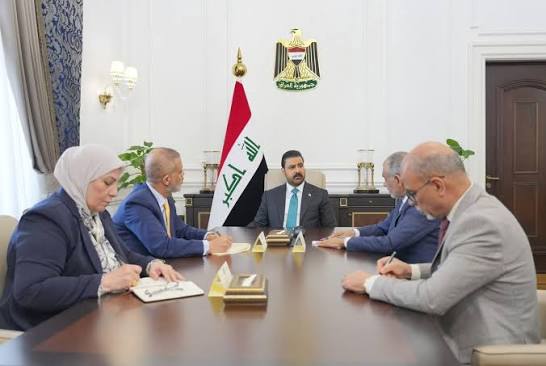
Baghdad Bureaucratic Expansion Sparks Fierce Political Friction Over Muhasasa and Resource Allocation Under PM Zaidi's Tenure
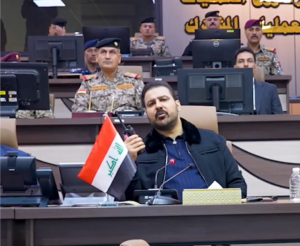
The Iraqi Parliament voted on October 15 to significantly expand the executive branch by establishing a Ministry of Digital Economy, Governance, Science and Technology and granting tourism its own independent, cabinet-level ministry. The legislative expansion has immediately reignited a fierce national debate over the controversial muhasasa (sectarian and political quota sharing) system, which critics argue prioritizes political payouts over structural governance. While advocates frame the new portfolios as essential adjustments to modernize the state’s digital infrastructure and capitalize on religious tourism, opposition blocs have strongly condemned the expansion, labeling it an expensive vehicle designed to distribute government ministries to competing coalition factions.
Political Fray Over Bureaucratic Expansion
The parliamentary vote marks a sudden shift away from recent government promises to streamline state expenditures and curb administrative bloat. Under the newly passed framework, the sprawling digital portfolio is tasked with modernizing Iraq’s public sectors and unifying state data networks. Simultaneously, separating tourism from the culture portfolio elevates the sector to a sovereign ministry aimed at managing the country’s multi billion-dollar religious tourism revenues. However, behind the administrative justification lies an immediate political reality: the new cabinet positions require new ministerial nominations, instantly touching off intense horse-trading within the ruling parliamentary coalition as political blocs demand control over the newly minted institutional resources.
Strategic Dimensions & Analytical Outlook:
The Resurgence of the Muhasasa System: The institutional creation of these ministries demonstrates the enduring grip of the ethno-sectarian quota system on Iraqi governance. Prime Minister Ali Zaidi’s coalition relies on a delicate balance of factions, and expanding the cabinet is frequently used as a release valve to appease junior partners demanding patronage. By adding ministries, the political establishment effectively manufactures new civil service posts, budgets, and procurement contracts to sustain factional loyalties.
Economic Strain vs. Technocratic Modernization: The decision faces severe economic criticism, occurring at a time when the government is already struggling with budget deficits exacerbated by high fuel costs and volatile oil markets. While the digital economy and tourism are undeniably viable economic drivers, building two new federal apparatuses from scratch demands massive state outlays. Technocrats warn that without deep institutional reforms, these entities will likely morph into avenues for systemic job padding rather than advancing digital innovation or heritage protection.
Governance Challenges for the Zaidi Administration: The implementation of these ministries will act as a major indicator of PM Zaidi’s functional control over his government. If the appointments to these new seats favor inexperienced political loyalists rather than verified experts, public frustration regarding systemic corruption and poor utility management already visible in recent regional grid protests is highly likely to intensify, potentially complicating subsequent legislative efforts.