Secret U.S. Strikes on Iran’s Qeshm Island Contradict Trump’s Downplayed War Rhetoric
Washington Bombards IRGC Missile Launchers in the Strait of Hormuz While the President Tells Hannity: "There Hasn't Been Shooting for Months"
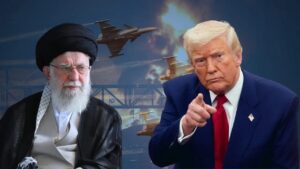
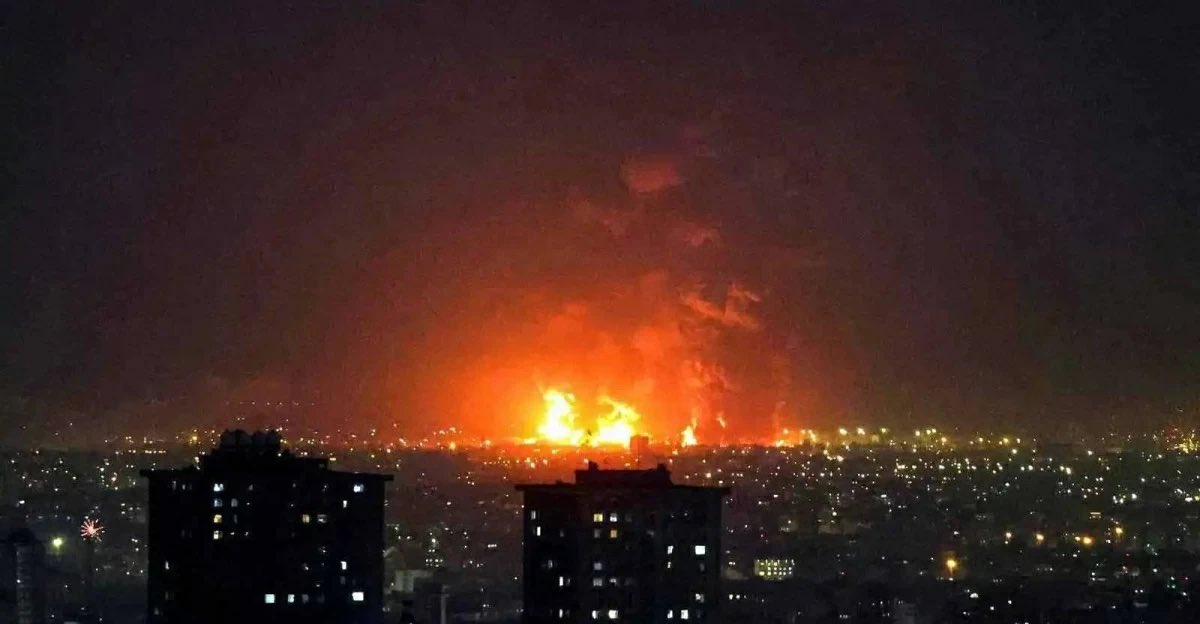
In a high-stakes military development, U.S. defense officials confirmed that American forces launched a series of unannounced, limited defensive airstrikes targeting Islamic Revolutionary Guard Corps IRGC assets on Iran’s strategic Qeshm and Hengam islands, alongside coastal positions near Bandar Abbas. The calculated campaign, which Washington purposefully kept quiet to avoid signaling a major combat escalation, directly unfolded alongside public assertions by President Donald Trump downplaying the scale of the conflict, insisting that the United States has not engaged in any active fighting for months.
Inside the Tactical Air Strikes and Grid Concealment
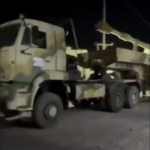
Pentagon planners characterized the aerial bombardment as a defensive measure directly executed to safeguard maritime transit inside the Strait of Hormuz. According to administrative briefs, the operational pivot occurred after an IRGC battery fired a surface-to-air missile at a U.S. jet fighter and downed an American surveillance drone. In response, U.S. aircraft engaged in immediate self-defense, neutralizing active anti-ship cruise missile launchers and anti-air installations across Qeshm Island.
Senior officials noted that the White House explicitly avoided public announcements to shield the delicate pre-election environment. This operational deployment marks the first confirmed U.S. bombing of targets inside mainland Iran since early September.
The Rhetorical Disconnect and Fox News Interview
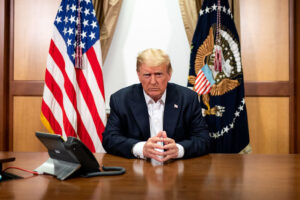
Concurrently, President Trump joined Fox News host Sean Hannity for a phone-in interview, flatly dismissing claims of an ongoing conflict. “What’s a war? A war is fighting. Take a look at World War I, World War II. When was the last time you saw us fighting with them?” Trump asserted. He minimized the baseline hostilities, adding, “Everyone says, ‘You’re at war!’ Well, when was the last time we fired anything? This isn’t a war. It’s a very soft war… there hasn’t been shooting for months”.
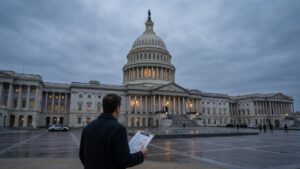
The president’s television appearance matched his closing midterm address delivered at the Lincoln Memorial Reflecting Pool, where he declared the U.S. had already won the confrontation. However, Trump introduced a fresh tactical threat, hinting at potential future strikes targeting an underground facility buried under Iran’s “Pickaxe Mountain” in the Isfahan region. Trump bragged that the U.S. military could completely destroy the nuclear complex “literally in one hour” should Tehran walk away from a comprehensive settlement.
Strategic Dimensions & Analytical Outlook:
High-Stakes Electoral Insulation: The choice to keep the Qeshm Island strikes hidden stems from acute Republican vulnerability over the $47 billion cost of the war. The administration recognizes that signaling a return to full-scale regional combat right before the midterms would instantly drive up global benchmark oil and domestic retail gasoline prices. This would deeply compromise the GOP’s narrow congressional edge against a surged Democratic challenge.
The Factional Divide of Hammer vs. Diplomacy: The stark divergence between executive rhetoric and active bombing exposes a policy fracture inside Washington. While Vice President JD Vance expresses measured optimism regarding ongoing backchannel mediations hosted by Qatar offering to lift naval blockades on Iranian ports in exchange for a maritime ceasefire military hardliners and regional allies like Israeli Prime Minister Benjamin Netanyahu are lobbying for a massive post-election bombing wave to break Iran’s structural nuclear breakout capacity.
The Volatile Realities of the Hormuz Blockade: The tactical skirmish at Qeshm proves that the Strait of Hormuz remains on a hair-trigger threshold. Despite Washington framing its air maneuvers as limited defense, the engagement illustrates that Iran is actively utilizing sea mines and anti-air batteries to break the crushing economic blockade. With Tehran warning of expansive, extra-regional retaliation if full hostilities resume, the global energy corridor remains deeply exposed to systemic disruptions.